

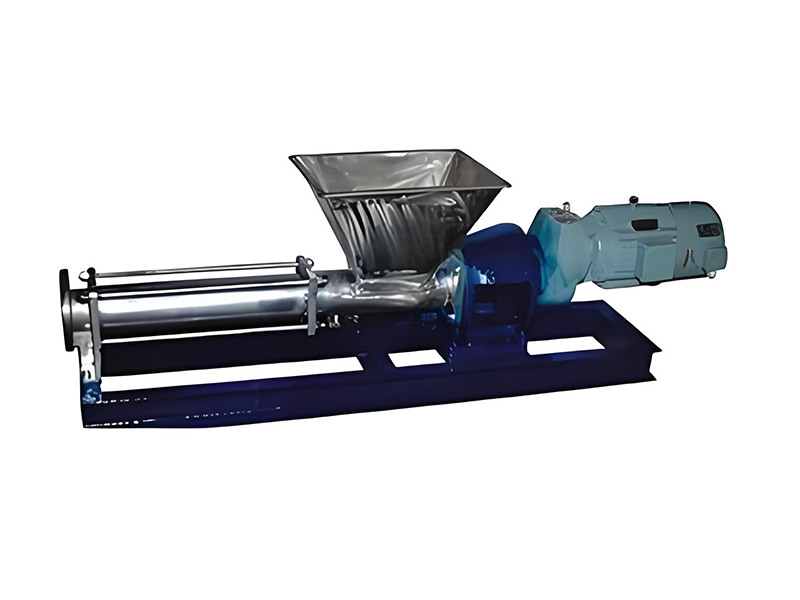
A Guide to Preventing Common Failures in Screw Pumps
Screw pumps are widely used positive displacement pumps in oil and gas, chemical processing, marine, power generation, food & beverage, and general industrial applications. While screw pumps are known for reliability and smooth, pulsation-free flow, they can still fail prematurely when improperly selected, installed, or maintained. This comprehensive guide explains how screw pumps work, the most common failure modes, and practical strategies to prevent screw pump failures in demanding service.
A screw pump is a type of positive displacement pump that uses one or more intermeshing screws to move process fluid along the pump axis. As the screws rotate inside a close-fitting housing, sealed cavities are formed and pushed from the suction side to the discharge side, generating a continuous, non-pulsating flow.
Screw pumps are particularly suitable for:
Medium to high viscosity fluids
Lubricating liquids such as oils and fuels
Delicate or shear-sensitive products
Applications requiring low pulsation and low noise
Handling liquids with some entrained gas
Several screw pump designs are commonly used in industry, each with different operating principles and typical failure mechanisms.
| Type of Screw Pump |
|---|
| Number of Screws |
|---|
| Typical Features |
|---|
| Common Applications |
|---|
| Single Screw Pump (Progressive Cavity) |
| 1 rotor + 1 stator |
| Helical rotor rotating inside an elastomer stator; very good for viscous, abrasive, and shear-sensitive media. |
| Sludge, slurries, wastewater, food pastes, polymers, mining slurries. |
| Twin Screw Pump |
| 2 intermeshing screws |
| Can handle multiphase fluids and higher gas content; often used as a process or transfer pump with low pulsation. |
| Oil and gas, loading/unloading terminals, chemical transfer, food and beverage. |
| Three Screw Pump |
| 1 driving screw + 2 idler screws |
| Highly efficient for clean, lubricating fluids; compact design; widely used in hydraulic and lubrication circuits. |
| Lube oil systems, fuel oil transfer, hydraulic power, marine systems. |
| Multi-Screw Pump (4+ screws) |
| 4 or more screws |
| Designed for high capacity and pressure in specific applications; sophisticated rotor and bearing design. |
| Power generation, large-scale oil transfer, heavy industry. |
When properly engineered and maintained, screw pumps offer a number of advantages that contribute to high reliability and low failure rates:
Continuous, virtually pulsation-free flow
Capability to handle a wide viscosity range
Good suction performance (low NPSHr) in many designs
Low noise and vibration compared to many other pump types
Ability to handle entrained air or gas (depending on design)
Long service life with correct lubrication and clearances
Compact footprint for given capacity and pressure
Preventing screw pump failures begins with understanding the mechanisms that typically cause breakdowns. Most screw pump failures can be traced back to one or more of the following root causes:
Incorrect pump selection for the fluid or duty conditions
Poor installation or alignment practices
Inadequate suction conditions and poor NPSH margin
Improper lubrication of bearings and screws
Excessive system pressure or frequent pressure spikes
Dry running or insufficient fluid at the inlet
Contaminants, solids, or air/gas ingress beyond design limits
Lack of regular maintenance and condition monitoring
Each of these factors contributes to specific, observable failure modes such as excessive wear, overheating, leakage, vibration, or catastrophic mechanical damage. Effective screw pump maintenance and reliability programs focus on controlling these root causes.
The list below summarizes frequent screw pump problems that maintenance and reliability teams encounter in industrial installations.
| Failure Mode |
|---|
| Typical Symptoms |
|---|
| Primary Causes |
|---|
| Excessive Rotor and Screw Wear |
| Loss of capacity, decreased pressure, higher power draw, metallic noise. |
| Abrasive solids, poor lubrication, misalignment, incorrect clearances. |
| Stator Wear (Progressive Cavity) |
| Reduced flow, increased slip, higher temperature, leakage at stator ends. |
| Dry running, incompatible elastomer, high temperature, chemical attack. |
| Bearing Failure |
| Noise, vibration, high temperature at bearing housings, shaft instability. |
| Overloading, misalignment, contamination, inadequate lubrication. |
| Seal Leakage |
| Process fluid leakage at shaft seal, visible drips or spray. |
| Poor seal selection, pressure spikes, shaft runout, dry running. |
| Cavitation and Aeration Damage |
| Noise (gravel-like), pitting, fluctuating flow, vibration. |
| Low NPSH margin, suction restrictions, high temperature, gas ingestion. |
| Overheating |
| High casing temperature, discolored oil, thermal damage to elastomers. |
| Dry running, excessive differential pressure, inadequate cooling or lubrication. |
| Shaft or Screw Breakage |
| Sudden loss of flow, mechanical lock, abnormal noise before failure. |
| Hydraulic shock, foreign objects, torsional overload, fatigue cracking. |
| Corrosion |
| Surface pitting, loss of material, leaks, reduced mechanical integrity. |
| Incorrect material selection, aggressive chemicals, contaminated fluids. |
The following sections describe each major problem in more detail and provide specific guidelines on how to prevent common screw pump failures.
Many screw pump failures originate at the design and selection stage. Choosing the wrong screw pump type, size, or materials for a given duty can greatly increase the risk of premature failure.
Ensuring correct screw pump selection is the first step in preventing failures:
Single screw (progressive cavity) pumps are ideal for viscous, shear-sensitive, or abrasive fluids, but their elastomer stators are vulnerable to dry running and chemical attack.
Twin screw pumps handle higher gas fractions and provide gentle handling for multiphase liquids, but require precise clearances and proper lubrication.
Three screw pumps are best for clean, lubricating fluids such as lube oils and fuels; solids or poor lubrication can cause rapid wear and failure.
Key fluid properties that affect screw pump reliability include:
Viscosity range (min, normal, max)
Density and lubricity
Solids content (size, concentration, hardness)
Chemical composition and corrosiveness
Vapor pressure and operating temperature
Gas or air content in the liquid
Operating conditions that should be clearly defined during selection:
Required flow rate and differential pressure
Continuous vs intermittent duty cycle
Start-up conditions (cold start, high viscosity)
Ambient and fluid temperature extremes
System pressure transients and possible shock loads
Failure-free screw pump operation depends heavily on using suitable materials for wetted and rotating parts. For example:
Stainless steels or special alloys for corrosive or mildly abrasive fluids.
Hardened screws and liners when fine abrasives cannot be fully removed.
Chemically compatible elastomers for stators and sealing elements.
High-performance coatings on screws and housings for specific wear challenges.
Even with the correct screw pump specification, poor installation can create conditions that lead to early failure. Proper foundation, alignment, piping, and commissioning practices are essential.
Important alignment and mounting guidelines include:
Install the screw pump on a rigid, level foundation to minimize vibration.
Use proper grouting and hold-down bolts to prevent movement under load.
Align the pump and driver (motor, gearbox, or turbine) within manufacturer-defined tolerances using precision tools.
Recheck alignment after initial run-in and any pipe connection adjustments.
Poorly designed suction and discharge piping is a major contributor to screw pump failures. Key recommendations include:
Keep suction lines as short and straight as possible with minimal fittings.
Use suction line sizes equal to or larger than the pump nozzle size.
Avoid high points in suction lines that can trap air and cause air locking.
Install isolation valves, strainers, and check valves in accessible locations.
Support piping independently so it does not impose loads on the pump nozzles.
To prevent cavitation and aeration-related failures, maintain adequate suction performance:
Verify available NPSH (NPSHa) is safely above pump NPSHr with a margin recommended by standards or internal guidelines.
Avoid excessive suction lift for fluids with high vapor pressure or elevated temperature.
Prevent suction strainers from becoming clogged; install differential pressure gauges across strainers.
Ensure fluid temperature and vapor pressure are considered in system design to avoid flashing at the pump inlet.
Many early-life failures occur at or soon after commissioning. Best practices include:
Fill and vent the pump and suction line thoroughly to avoid dry running.
Check rotation direction of the driver before coupling or with minimum load.
Confirm lubrication systems are primed and delivering correct oil flow.
Start the pump with discharge valve partially open and gradually bring to operating conditions.
Monitor temperature, vibration, and noise during initial hours of operation.
Even a perfectly selected and installed screw pump will fail prematurely if operated outside its intended envelope. Operating practices have a direct impact on screw pump reliability.
Dry running is one of the most destructive conditions for screw pumps, especially for progressive cavity pumps with elastomer stators and mechanical seals relying on fluid lubrication. Prevent dry running by:
Installing level switches or flow switches that trip the pump on low level or loss of flow.
Ensuring suction valves remain open during operation and interlocked with pump start.
Using control logic to prevent the pump from starting against an empty suction line.
Adding automatic priming or venting systems for applications prone to air accumulation.
Operating a screw pump at excessive differential pressure can cause overheating, excessive torque, bearing overload, and seal damage. To avoid this:
Design the system so that maximum discharge pressure is within rated limits.
Install relief valves or bypass lines to protect against closed discharge valves or sudden blockages.
Monitor discharge pressure continuously and integrate alarms or trips for overpressure situations.
Most screw pumps are not designed to handle large hard solids or high solids concentrations. Protect the pump by:
Installing appropriately sized strainers or filters on the suction side.
Regularly cleaning strainers to prevent suction restriction.
Using wear-resistant materials when fine abrasives cannot be avoided.
Implementing fluid cleanliness targets and oil analysis for lubrication circuits.
Repeated start-stop cycles create thermal and mechanical stresses on screws, shafts, bearings, and seals. Where possible:
Use variable speed drives or flow control valves rather than frequent starts/stops for flow regulation.
Follow manufacturer-recommended limits for maximum starts per hour.
Allow pumps to reach stable operating conditions before shutting down.
Well-planned screw pump maintenance is essential to avoid unplanned downtime and costly repairs. Maintenance programs should be based on the criticality of the service, operating hours, and historical data.
The table below outlines typical preventive maintenance tasks for screw pumps.
| Task |
|---|
| Recommended Frequency |
|---|
| Objective |
|---|
| Check oil level and condition in bearings/gearbox |
| Weekly or as per OEM |
| Maintain correct lubrication and detect contamination early. |
| Inspect for external leaks (seals, connections) |
| Weekly |
| Identify seal wear and joint issues before major failure. |
| Measure vibration and noise levels |
| Monthly or online monitoring |
| Detect imbalance, misalignment, bearing wear, and cavitation. |
| Record suction/discharge pressure and flow |
| Monthly |
| Identify changes in performance due to wear or system changes. |
| Check strainer/filter differential pressure |
| Weekly to monthly |
| Ensure suction conditions remain within design limits. |
| Verify alignment between pump and driver |
| Annually or after major maintenance |
| Prevent bearing overload and shaft stress. |
| Inspect stator (progressive cavity) or screws for wear |
| As per operating hours or annual shutdown |
| Schedule replacement before catastrophic failure. |
| Oil change and lubrication system flush |
| As per OEM or oil analysis |
| Maintain lubricant quality and avoid varnish or sludge. |
Condition monitoring helps detect early signs of screw pump failure. Effective techniques include:
Vibration analysis: tracks bearing condition, misalignment, and mechanical looseness.
Temperature monitoring: identifies overheating in bearings, casings, and seals.
Acoustic monitoring: detects cavitation and unusual noise patterns.
Oil analysis: reveals wear metals, contamination, and lubricant degradation.
Performance trending: compares actual pressure-flow data against baseline curves.
Systematic troubleshooting can quickly identify the root cause of common screw pump failures. The table below summarizes typical problems and corrective actions.
| Problem |
|---|
| Possible Causes |
|---|
| Recommended Corrective Actions |
|---|
| Insufficient Flow or No Flow |
Closed suction or discharge valve
Clogged suction strainer
Worn screws or stator
Air lock or gas binding
Verify valve positions and open as required.
Clean or replace suction strainers.
Inspect internal components and replace worn parts.
Vent system to remove trapped air or gas.
| Excessive Noise or Vibration |
Cavitation due to low NPSH
Misalignment between pump and motor
Bearing wear or damage
Entrained air or gas slugs
Improve suction conditions and increase NPSH margin.
Check and correct shaft alignment.
Inspect bearings and replace if needed.
Eliminate sources of air ingress; review suction line design.
| Overheating |
Dry running
Excessive differential pressure
Inadequate lubrication or wrong oil grade
Stop the pump immediately and restore proper suction.
Verify system pressures and adjust valves or relief settings.
Check lubricant level and specification; change if required.
| Seal Leakage |
Seal wear or damage
Incorrect seal selection
Shaft runout or misalignment
Pressure spikes or thermal shock
Replace seals with correct materials and design.
Evaluate process fluid and operating conditions for seal design.
Measure shaft runout; correct misalignment and check bearings.
Install or adjust pressure control and ramp-up procedures.
| Rapid Wear of Stator (Progressive Cavity) |
Dry running during start-up or operation
Incompatible elastomer with process fluid
Excessive temperature or pressure
Implement interlocks to prevent dry running.
Select elastomer based on detailed chemical compatibility data.
Operate within manufacturer pressure-temperature limits.
Reliable screw pump operation starts with sound system design. Best practices include:
Allow for some margin in flow and pressure rather than operating at maximum rated conditions continuously.
Design piping and valves to minimize pressure drops and shock loads.
Include properly sized relief valves and bypass lines in critical systems.
Instrumentation and controls are essential tools for preventing screw pump failures:
Install pressure gauges and transmitters on suction and discharge.
Use temperature sensors on bearings, casing, and lubricant circuits.
Provide flow measurement on critical services to confirm performance.
Integrate alarms and trips for low suction pressure, high discharge pressure, and high temperature.
Design layouts to make screw pumps easy to maintain:
Provide sufficient clearance for removing screws, stators, seals, and bearings.
Install isolation valves so pumps can be removed without draining entire systems.
Ensure lifting points and handling equipment are available for heavy components.
When specifying a screw pump for a new or upgraded installation, engineering teams typically define a range of parameters. The following generic data table illustrates typical specification items (values are indicative, not design recommendations):
| Parameter |
|---|
| Typical Range |
|---|
| Notes for Failure Prevention |
|---|
| Flow Rate |
| 0.1 to 1,500 m3/h (varies by design) |
| Size pump for normal operating point near best efficiency region. |
| Differential Pressure |
| Up to 100 bar (application dependent) |
| Avoid continuous operation near maximum differential to reduce wear and heat. |
| Fluid Viscosity |
| 1 to >100,000 cSt |
| Specify full viscosity range across temperature to ensure correct clearances and drive selection. |
| Operating Temperature |
| -40 °C to >200 °C |
| Temperature affects material choice, elastomer compatibility, and NPSH. |
| NPSH Required (NPSHr) |
| Typically low compared with many centrifugal pumps |
| Ensure NPSHa > NPSHr with adequate margin to prevent cavitation. |
| Solids Content |
| 0 to 10% or more by volume (design dependent) |
| Identify solids size and hardness; may need hardened parts or different pump type. |
| Seal Type |
| Mechanical seal, packing, or canned motor |
| Correct seal selection prevents leakage and dry-running damage. |
| Drive Type |
| Fixed-speed or variable-speed motor, with or without gearbox |
| Variable speed can reduce starts and control differential pressure. |
The following checklist summarizes the most important screw pump failure prevention actions:
Select the appropriate screw pump type (single, twin, three screw) for the fluid and duty.
Specify correct materials and elastomers based on detailed fluid data.
Design suction piping for low losses and adequate NPSH margin.
Provide relief valves and bypass circuits to avoid overpressure conditions.
Install pumps on rigid foundations with precise alignment to the driver.
Implement controls to prevent dry running and protect against low suction conditions.
Monitor lubrication quality and maintain oil levels, changing oil as recommended.
Use condition monitoring (vibration, temperature, performance) to detect early signs of wear or damage.
Establish a preventive maintenance plan with periodic inspections, cleaning, and part replacement.
Train operators and maintenance personnel on specific screw pump characteristics and limitations.
Service life depends on the application, fluid properties, and maintenance quality. In clean, lubricating services with proper operating conditions, screw pumps can run for many years before major overhauls. In abrasive or corrosive services, component life will be shorter, and planned replacement intervals are necessary to avoid failures.
While causes vary by industry, dry running and inadequate suction conditions are among the most frequent causes of screw pump damage, especially in progressive cavity designs. Incorrect pump selection and poor maintenance practices also contribute heavily to early failures.
Some screw pump designs, particularly twin screw pumps, are capable of handling fluids with a significant gas fraction. However, every design has limits. Exceeding these limits can result in loss of capacity, overheating, and mechanical damage. Always consult manufacturer data and design the system to keep gas fractions within the safe range.
Cavitation in screw pumps often presents as increased noise (similar to gravel or crackling sounds), vibration, fluctuations in flow or pressure, and potential pitting on internal surfaces. Monitoring suction conditions and comparing with NPSH requirements is essential to confirm and prevent cavitation.
Many screw pumps are inherently self-priming due to their positive displacement nature. However, the actual self-priming performance depends on the specific design, fluid properties, suction lift, and system configuration. Priming limits must be respected to avoid extended dry running and associated failures.
Screw pumps offer reliable, efficient, and smooth pumping for a wide range of industrial fluids when correctly specified, installed, and maintained. Most common screw pump failures can be prevented by understanding the underlying causes and applying practical engineering and maintenance best practices. By focusing on proper selection, sound installation, suitable suction conditions, protection against dry running, and disciplined maintenance, operators can significantly extend screw pump life, reduce unplanned downtime, and minimize total lifecycle cost.
This guide to preventing common failures in screw pumps provides a structured reference for engineers, maintenance specialists, and plant operators who want to improve the reliability and availability of their screw pumping systems. Applying these recommendations consistently across design, commissioning, operation, and maintenance phases will help ensure safe, dependable screw pump performance in demanding industrial environments.
```

Copyright ? Jiangsu Longjie Pump Manufacturing Co., Ltd.



 Phone
Phone
Comment
(0)