

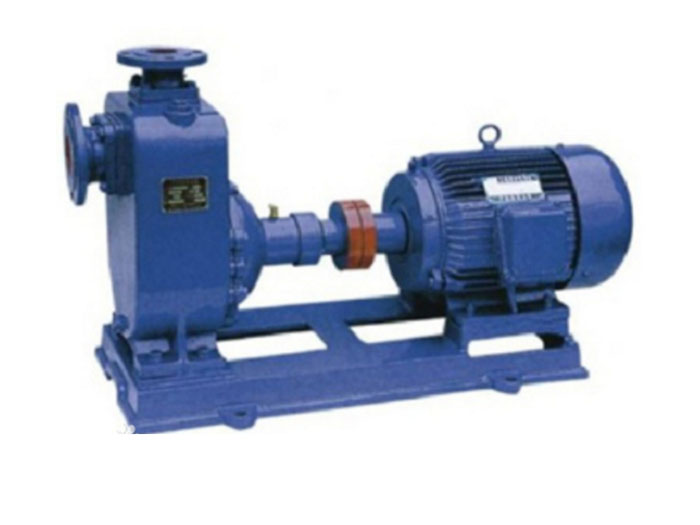
Stainless steel screw pumps have become a preferred solution in many industries that handle aggressive and acidic fluids. From chemical processing plants to wastewater treatment facilities, these pumps offer a powerful combination of corrosion resistance, efficiency, and reliability. This in-depth guide explains what stainless steel screw pumps are, how they work, and—most importantly—the advantages of using them for pumping acidic liquids in industrial applications.
A stainless steel screw pump is a type of positive displacement pump that uses one or more helical screws to move fluid through a sealed cavity. As the screws rotate, they trap a fixed volume of fluid and convey it from the suction side to the discharge side at a nearly constant flow rate. When the wetted parts—including the pump casing, rotor(s), stator lining, and other fluid-contact components—are made of corrosion-resistant stainless steel, the pump can safely handle acidic and corrosive fluids.
Unlike centrifugal pumps, which rely on high speeds and impeller dynamics, screw pumps use the mechanical displacement of cavities. This design provides low pulsation, smooth flow, and excellent suction capabilities even with viscous or shear-sensitive media.
The choice of stainless steel grade is critical when designing or selecting a screw pump for acidic fluids. Different alloys provide different levels of corrosion resistance, mechanical strength, and suitability for various pH levels and temperatures.
| Stainless Steel Grade | Typical Composition (Cr/Ni/Mo) | Corrosion Resistance | Suitable Applications with Acidic Fluids |
|---|---|---|---|
| 304 / 1.4301 | 18% Cr, 8% Ni | Good general corrosion resistance; limited resistance to strong acids | Mild acidic cleaning solutions, low-concentration organic acids, neutralized wastewater |
| 316 / 1.4401 | 17% Cr, 10–12% Ni, 2–3% Mo | Improved resistance to chlorides and many acids | Pharmaceutical acids, food-grade acidic products, low-to-medium concentration mineral acids |
| 316L / 1.4404 | Similar to 316, lower carbon | Better resistance to intergranular corrosion, good weldability | Applications requiring frequent welding and cleaning-in-place (CIP) with acidic detergents |
| Duplex 2205 / 1.4462 | ~22% Cr, 5–6% Ni, 3% Mo | High resistance to pitting, stress corrosion cracking, and many acids | Chloride-rich acidic brines, offshore chemical injection, aggressive industrial acids |
| Super Duplex (e.g., 2507) | 25% Cr, 7% Ni, 4% Mo | Very high corrosion resistance, especially in chlorides | Highly aggressive acidic environments, high-pressure acid injection, harsh process streams |
| Alloy 904L / 1.4539 | 20% Cr, 25% Ni, 4.5% Mo | Excellent resistance to strong acids such as sulfuric acid | Concentrated sulfuric and phosphoric acids, chemical production plants, fertilizer manufacturing |
When selecting a stainless steel screw pump for acidic fluids, compatibility with the specific acid type, concentration, temperature, and presence of chlorides or other contaminants must be verified through corrosion testing or material compatibility charts.
Screw pumps transfer acidic fluids by gradually moving sealed pockets of liquid along the axis of the screw. This movement is gentle, controlled, and nearly pulsation-free. The corrosion-resistant stainless steel surfaces prevent chemical attack from acidic molecules, ensuring long service life and consistent performance.
This process is independent of discharge pressure within the mechanical limits of the pump, allowing screw pumps to deliver a predictable flow even under variable system conditions—an important advantage when transferring corrosive acidic liquids in controlled processes.
Several screw pump configurations are available for handling acidic media. The most common types include:
Single screw pumps, also known as progressing cavity pumps, consist of a single helical rotor turning inside an elastomer-lined stator. The rotor is typically made from stainless steel, and the casing may also be stainless or another corrosion-resistant material. They are widely used for:
The stator elastomer must be compatible with the acidic fluid; for strong acids and high temperatures, special elastomer formulations are used.
Twin screw pumps feature two intermeshing screws rotating in opposite directions within a close-clearance housing. They offer:
With stainless steel construction, twin screw pumps are used for sanitary and industrial applications where acidic and corrosive fluids must be transferred without contamination or high shear, such as food-grade acidic products, cosmetic formulations, and pharmaceutical intermediates.
Three-screw pumps use one drive screw and two idler screws. Multi-screw designs (including four-screw variants) provide:
In acidic service, these pumps are often used for chemical injection, boiler feed additives, and precise dosing of corrosive fluids where pressure stability is critical.
Using stainless steel screw pumps in acidic applications offers a range of technical, operational, and economic benefits. The following sections describe these advantages in detail.
The primary advantage of stainless steel screw pumps for acidic fluids is corrosion resistance. Acids can rapidly attack carbon steel and many other metals, causing pitting, uniform corrosion, and stress corrosion cracking. Stainless steel alloys provide:
By selecting the correct stainless steel alloy for a given acidic fluid, plant operators can significantly extend pump service life, minimize unplanned shutdowns, and protect downstream equipment from leaks or failures caused by corrosion.
Stainless steel screw pumps can handle a broad spectrum of acidic liquids, including:
This versatility reduces the need for multiple pump types or frequent material upgrades as process conditions change. A single stainless steel screw pump model, with appropriate elastomer and seal selection, can cover several acidic services.
Because screw pumps are positive displacement devices with continuous cavity progression, the flow they deliver is:
This is particularly important when handling:
A smooth flow also helps minimize stress on piping, valves, and instrumentation, improving overall system reliability in corrosive environments.
Stainless steel screw pumps typically offer strong suction performance and can be designed for self-priming operation. In acidic services, this provides several benefits:
For corrosive and hazardous fluids, reliable self-priming capability also reduces the need for manual priming procedures, which can be dangerous and time-consuming.
Many acidic fluids are not only corrosive but also viscous or laden with solids. Examples include acidic slurries, metal pickling solutions containing particulates, and acidic muds or sludges from treatment plants. Stainless steel screw pumps can:
This reduces the need for pre-filtration in many applications and allows the same pump type to be used on both clean and dirty acidic flows.
Screw pumps are highly efficient, especially when operating at higher discharge pressures. The positive displacement principle ensures:
For high-pressure acid injection, transfer over long distances, or elevation changes, stainless steel screw pumps can offer substantial energy savings over the lifetime of the installation.
Corrosion-resistant stainless steel, combined with robust screw pump mechanics, translates into longer service intervals and lower maintenance costs. Key contributors include:
With proper material selection, lubrication, and seal systems, many stainless steel screw pumps can run for extended periods between overhauls, even in demanding acidic environments.
Many industries depend on uninterrupted acid handling for safety, product quality, and regulatory compliance. Stainless steel screw pumps provide:
In continuous processes such as acid etching, chemical synthesis, and wastewater neutralization, the reliability of stainless steel screw pumps directly supports process stability and uptime.
Stainless steel screw pumps can be configured in many ways to meet application-specific needs for acidic fluids. Options include:
This flexibility allows designers to integrate screw pumps into complex acid-handling systems while maintaining safety, efficiency, and regulatory compliance.
Safety is paramount when working with corrosive, toxic, or fuming acids. Stainless steel screw pumps contribute to safer operations by:
By choosing stainless steel construction, the risk of catastrophic corrosion and sudden failure is significantly reduced, providing an additional layer of safety for operators and the environment.
Stainless steel screw pumps are used across a broad range of industries and processes wherever acidic or corrosive fluids must be handled reliably.
| Industry | Acidic Fluid Types | Typical Pumping Tasks |
|---|---|---|
| Chemical Processing | Sulfuric, hydrochloric, phosphoric, nitric, organic acids, acid mixtures | Transfer between reactors, acid loading/unloading, recirculation loops, dosing |
| Petrochemical & Refining | Acidic process streams, spent acids, amine regeneration acids | Acid injection, neutralization systems, waste acid transfer, stripper feed |
| Metal Finishing & Surface Treatment | Pickling acids, electroplating baths, etching solutions | Circulation in pickling lines, bath transfer, filtration loops, waste acid handling |
| Mining & Mineral Processing | Acidic leach solutions, process liquors, tailings slurries | Leach solution transfer, reagent dosing, acidic slurry pumping, tailings treatment |
| Water & Wastewater Treatment | Acidic industrial effluents, pH control acids (e.g., sulfuric acid) | Acid dosing for pH adjustment, transfer of corrosive waste streams, sludge conditioning |
| Food & Beverage | Organic acids (acetic, citric, lactic), acidic CIP solutions | Transfer of food-grade acids, ingredient dosing, cleaning-in-place circulation |
| Pharmaceutical & Biotechnology | Acidic intermediates, buffer solutions, cleaning acids | Batch transfer, sterile dosing, CIP systems, waste acid management |
| Pulp & Paper | Acidic bleaching chemicals, process effluents | Chemical transfer, mixing feed, effluent conditioning, sludge transfer |
To fully realize the advantages of stainless steel screw pumps in acidic applications, several design and selection factors must be evaluated.
The corrosion behavior of stainless steel depends strongly on:
Material selection must therefore be validated for the exact conditions. For example:
pH and chloride content influence the risk of pitting and stress corrosion cracking. In acidic media containing chlorides:
Screw geometry, clearances, and rotational speed must be matched to the fluid properties:
Failure to match the pump design to fluid characteristics can lead to premature wear, reduced efficiency, or clogging.
While pump casing and screws may be stainless steel, seals and elastomers are often the most vulnerable components in acidic service. Considerations include:
Selecting the wrong seal or elastomer materials can negate the benefits of stainless steel construction and cause early failure.
For food, beverage, and pharmaceutical applications involving acidic fluids, surface finish and hygienic design are essential:
When handling hazardous acids, regulatory frameworks may dictate:
Stainless steel screw pumps can be engineered to comply with these requirements while maintaining performance and reliability.
The performance of stainless steel screw pumps for acidic fluids is defined by several key specifications. While exact values depend on the specific model and application, the following table summarizes typical ranges.
| Parameter | Typical Range for Stainless Steel Screw Pumps in Acidic Service | Notes |
|---|---|---|
| Flow Rate | 0.1 to >500 m3/h (0.4 to >2,200 gpm) | Depends on pump size, screw type, and speed |
| Discharge Pressure | Up to 80 bar or higher (1,160 psi+) | Higher pressures achievable with multi-screw designs |
| Viscosity Range | 1 to >1,000,000 cP | Suitable for water-like acids up to heavy acidic sludges |
| Temperature Range | -20°C to >200°C (-4°F to >392°F) | Limited by elastomer and seal materials in contact with the acid |
| pH Range | <1 to >14 (depending on materials) | Requires careful alloy and elastomer selection for extremes |
| Construction Materials | 304, 316, 316L, duplex, super duplex, 904L, etc. | Chosen based on acid compatibility and process conditions |
| Seal Options | Single, double, cartridge mechanical seals; packed glands | Material combinations tailored for acidic, corrosive service |
| Mounting | Horizontal, vertical, submersible, baseplate-mounted | Dependent on installation constraints and suction conditions |
| Drive Options | Fixed-speed motors, variable frequency drives (VFD), gearboxes | VFDs often used for precise acid dosing and flow control |
To maximize the advantages of stainless steel screw pumps in acidic environments, proper installation and operating practices are essential.
Screw pumps should be sized based on:
Oversizing can lead to low efficiency and increased shear, while undersizing can result in excessive wear and inadequate performance under peak conditions.
Even though screw pumps have good suction capabilities, it is important to:
Pipes, valves, fittings, and instrumentation in contact with acidic fluids must be compatible with both the acid and the stainless steel. Mixed-metal systems can sometimes lead to galvanic corrosion or contamination, so materials are should be selected holistically.
For aggressive acids, seal systems may incorporate:
A well-designed seal system protects the pump, reduces emissions, and extends maintenance intervals.
Even with corrosion-resistant stainless steel, acidic service is demanding. Preventive maintenance should include:
Condition-based monitoring can be especially valuable in critical acidic applications where unplanned downtime is not acceptable.
When selecting a pump for acidic service, several alternatives may be considered. Stainless steel screw pumps offer distinct advantages in many cases, but understanding their position relative to other technologies supports better decision-making.
| Pump Type | Strengths in Acidic Service | Limitations Compared to Stainless Steel Screw Pumps |
|---|---|---|
| Centrifugal Pumps (Stainless Steel) | Simple design; good for low-viscosity, high-flow applications; often lower initial cost | Poor performance with high-viscosity or solids; flow varies with pressure; higher risk of cavitation; more pulsation in some cases |
| Diaphragm Pumps (PTFE, etc.) | Excellent chemical resistance; dry-run capability; suitable for dosing and small flows | Pulsating flow; lower efficiency; limited to smaller capacities; more complex air systems for air-operated models |
| Magnetic drive centrifugal pumps | Leak-free design; ideal for toxic, corrosive acids | Limited solids tolerance; less suitable for viscous acids; flow highly sensitive to system head |
| Gear Pumps (Stainless Steel) | Compact; good for metering; suited for clean, low-to-medium viscosity acids | Sensitive to solids; higher wear in abrasive service; can generate higher shear than screw pumps |
| Peristaltic (Hose) Pumps | Excellent chemical resistance; simple fluid path; self-priming | Hose wear in abrasive or high-pressure service; lower efficiency; more frequent replacement of elastomer hoses |
| Stainless Steel Screw Pumps | Handles high viscosities and solids; smooth, low-pulsation flow; high suction capability; wide range of flows and pressures | More complex mechanically than simple centrifugal pumps; initial investment can be higher in some cases |
For many medium-to-high viscosity acidic fluids, mixed-phase or solids-containing acids, and applications requiring stable flow under varying pressures, stainless steel screw pumps provide a combination of advantages that other pump types cannot easily match.
Beyond the immediate technical advantages, stainless steel screw pumps can provide considerable economic value in acidic fluid handling systems.
When these factors are accounted for in a total cost of ownership (TCO) analysis, the investment in stainless steel screw pumps is often justified, particularly in continuous or mission-critical acidic services.
Handling acidic fluids safely and efficiently also has environmental implications. Stainless steel screw pumps contribute to more sustainable operations by:
For plants seeking to improve environmental performance and comply with stringent regulations, the selection of durable, efficient, and leak-resistant pumps is a key part of an integrated strategy.
Stainless steel screw pumps combine the inherent benefits of positive displacement screw technology with the corrosion resistance of stainless steel alloys. For acidic and corrosive applications, they offer:
By carefully matching stainless steel grades, elastomers, seal materials, and pump configuration to the specific acidic fluid and operating conditions, designers and operators can significantly enhance system reliability, reduce operating costs, and support safer, more sustainable industrial processes.
For engineers, maintenance managers, and process designers looking to optimize the handling of acidic fluids, stainless steel screw pumps are a proven, versatile, and high-performance solution well-suited to modern industrial requirements.

Copyright ? Jiangsu Longjie Pump Manufacturing Co., Ltd.



 Phone
Phone
Comment
(0)